Japanese zelkova
Zelkova serrata · Ulmaceae · also Zelkova, Keyaki
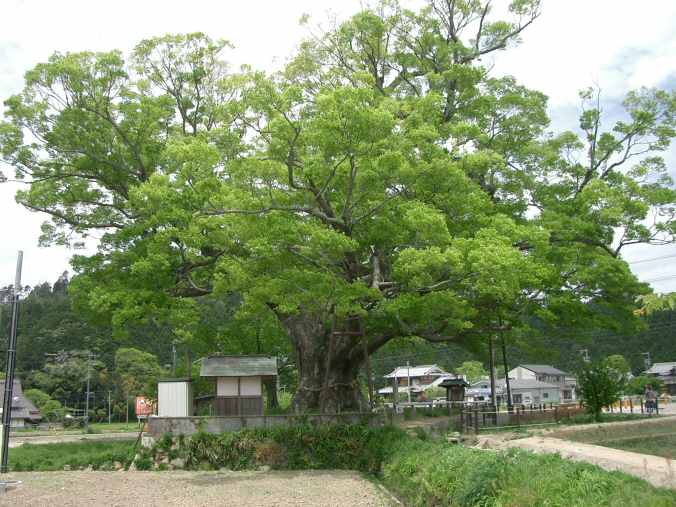
An elm relative with the classic vase shape of the American elm, smooth gray bark that flakes to orange with age, and serrated leaves that turn yellow, orange, russet or burgundy in fall. It resists Dutch elm disease and elm leaf beetle, tolerates heat, drought, wind and poor soil, and is planted as an elm substitute on streets in New York, Philadelphia and many western cities. 'Green Vase', 'Village Green', 'City Sprite' and the low 'Wireless' cover sites from wide boulevards to under power lines.
Where it stands
Native
This tree evolved here, and local wildlife depends on it.
- 🇯🇵 Japan · Native to Japan, Korea, eastern China and Taiwan.source
Adapted
Introduced, but it handles this climate and has not shown a habit of spreading.
Recommended
A city, utility or extension service lists it among the trees it approves for planting here.
- 🇦🇺 Sydney, NSW, Australia · On the City of Sydney Street Tree Master Plan 2023 precinct planting palettesource
- 🇺🇸 Sacramento, CA, United States · On the Sacramento Tree Foundation Shady 80 recommended trees listsource
- 🇺🇸 San Jose, CA, United States · On the Our City Forest Community Nursery tree species listsource
- 🇺🇸 Denver, CO, United States · On the Denver Office of the City Forester Approved Street Tree Listsource
- 🇺🇸 Boston, MA, United States · On the City of Boston Urban Forestry Division recommended public street trees listsource
- 🇺🇸 New York, NY, United States · On the NYC Parks Street Tree Planting Approved Species Listsource
- 🇺🇸 Portland, OR, United States · 'Green Vase' zelkova is on Portland's list for planting strips 8.5 ft and wider.source
Care
Plant in full sun in well-drained soil and water regularly for the first two years. Prune in the dormant season to remove narrow crotches with included bark, which can split in storms. Japanese beetles and leafrollers chew foliage; otherwise it is nearly disease-free, though cold snaps can kill twigs in zone 5.
Benefits
Good for