Sycamore
Acer pseudoplatanus · Sapindaceae · also Sycamore maple, Great maple
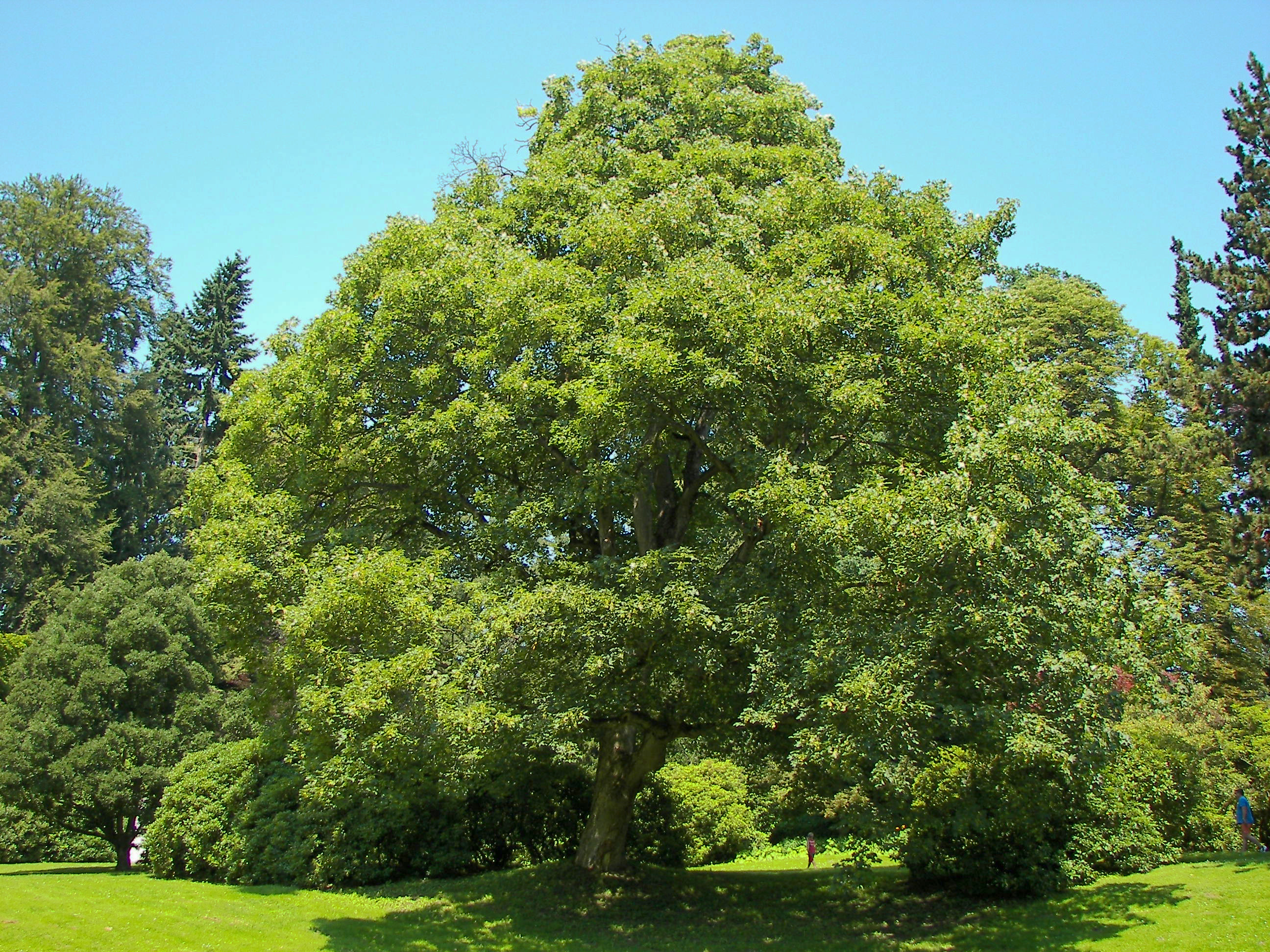
A big, fast-growing maple to 35 m with five-lobed leaves and winged seeds that germinate everywhere. Sycamore is not native to Britain or Ireland but has been here for centuries and is now one of the commonest trees, valued as a tough street, shelterbelt and coastal tree and as a timber and bee tree. Conservationists debate it: it self-seeds into native woodland and is removed from many nature reserves, yet it also supports aphids, pollinators and nesting birds.
Where it stands
Adapted
- 🇦🇺 NSW, Australia · Introduced per WCVPsource
- 🇬🇧 United Kingdom · Non-native (introduced by the Roman or Tudor period, naturalised by the mid-1800s); recorded on the GB Non-native Species Information Portal and targeted for removal on protected sites, but not listed on Schedule 9 or bannedsource
- 🇮🇪 Ireland · Non-native and widely naturalised; no official invasive listing foundsource
- 🇳🇿 New Zealand · Introduced and naturalised on both islands per WCVPsource
Care
Needs no special care once established; water the first summer. Prune in late summer to avoid bleeding. Sooty bark disease (Cryptostroma corticale) can kill stressed trees after hot summers and its spores can cause lung problems; horse chestnut scale and aphid honeydew are cosmetic. Expect prolific seedlings.
Benefits
Good for