Norway maple

Acer platanoides 路 Sapindaceae 路 also Harlequin maple

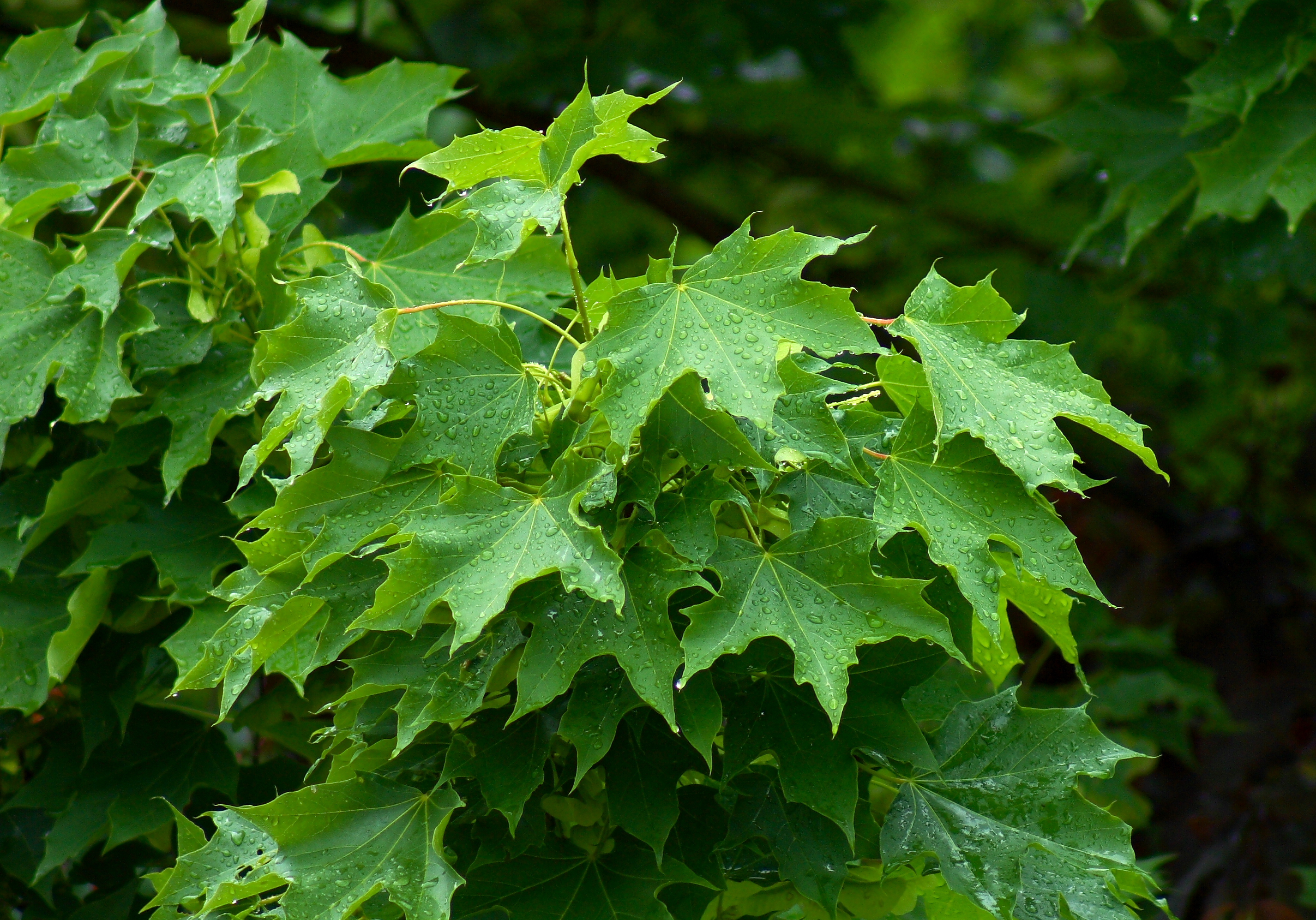
A dense, rounded shade tree with broad five-lobed leaves whose stalks ooze milky sap when broken, gold flower clusters before the leaves, flat-winged seeds and dull yellow fall color. Purple-leaved 'Crimson King' is the familiar form. Planted by the millions after Dutch elm disease because it tolerates pollution and compacted soil, it now seeds into northeastern and midwestern woodlands, where its deep shade and shallow roots crowd out native maples and wildflowers. Several states and Ontario list it as invasive and sale is banned in Massachusetts, New Hampshire and (from 2030) Connecticut.
Broadleaf, drops leavesMedium growthSun or part shadeModerate water
Norway maple
Martin Bobka (= Martin120), CC BY-SA 2.5, via Wikimedia Commons

Where it stands

Native

  • 馃嚛馃嚜 Germany 路 Native to Europe and western Asia.source

Invasive

  • 馃嚚馃嚘 ON, Canada 路 Listed as an invasive plant by the Ontario Invasive Plant Council.source
  • 馃嚭馃嚫 MA, United States 路 Rated Invasive by the Massachusetts Invasive Plant Advisory Group and banned from sale under the state Prohibited Plant List.source
  • 馃嚭馃嚫 MN, United States 路 Specially Regulated Noxious Weed in Minnesota; sellers must label it with a management plan.source
  • 馃嚭馃嚫 NY, United States 路 Regulated invasive species under 6 NYCRR Part 575 (may be sold but not introduced into a free-living state).source
  • 馃嚭馃嚫 PA, United States 路 On Pennsylvania DCNR's invasive plant fact sheet list.source
  • 馃嚭馃嚫 VA, United States 路 Virginia DCR Invasive Plant Species List, Medium invasiveness rank.source

Prohibited

  • 馃嚭馃嚫 CT, United States 路 On the Connecticut Invasive Plant List as Invasive; sale and movement prohibited by statute effective October 2030.source
  • 馃嚭馃嚫 NH, United States 路 On New Hampshire's prohibited invasive species list (Agr 3800): cannot be sold, transported, propagated or planted.source

Care

Not recommended for new planting where it is listed. Existing trees: expect girdling roots, verticillium wilt, tar spot, frost cracks and bare ground beneath the canopy. Remove seedlings while small; cut stumps resprout and should be treated.

Benefits

ShadeFall colorDrought tolerant

Good for

Street treeYard shade

Watch out for

Invasive elsewhereSurface rootsWeak woodPest proneShort lived